Understanding organ donation
How it works
Last reviewed: August 2026
Organ donation follows a careful, respectful process, and your whānau or the people who would be at your bedside if you were critically ill are involved at every step. Donation is only possible in rare circumstances, and it only goes ahead with their agreement.
When is organ donation possible?
Organ donation is only possible when a person dies in an intensive care unit (ICU) while on a ventilator (a breathing machine), usually from severe brain damage. Fewer than 2% of all deaths in New Zealand happen this way.
While a person is in the ICU, everything possible is being done to save their life. Donation is only considered after doctors are certain there is no chance of recovery.
What is brain death?
Death occurs when the heart and breathing stop, but it also occurs when the brain dies. After a severe head injury or a brain hemorrhage, the brain swells. Because the skull is rigid, the swelling has nowhere to go, and the pressure eventually cuts off the brain's own blood and oxygen supply. Brain cells that die can never recover. This is brain death.
Two separate assessments are carried out by two different doctors to confirm that the brain has died. The time the second assessment is completed is the time of death, and is what's recorded on the death certificate.
How is donation raised with the family?
After the family has been told their loved one has died, the intensive care doctor will discuss donation with them. The family is given clear information about what donation involves, and given time to make their decision.
If the family agrees, they sign a written consent form that covers only the organs and tissues they are comfortable donating.
What happens during the donation operation?
The surgical teams travel to the hospital where the person is being cared for.
The operation is carried out like any other surgery, with the same care, including stitching and dressing the incisions at the end.
What happens after the donation?
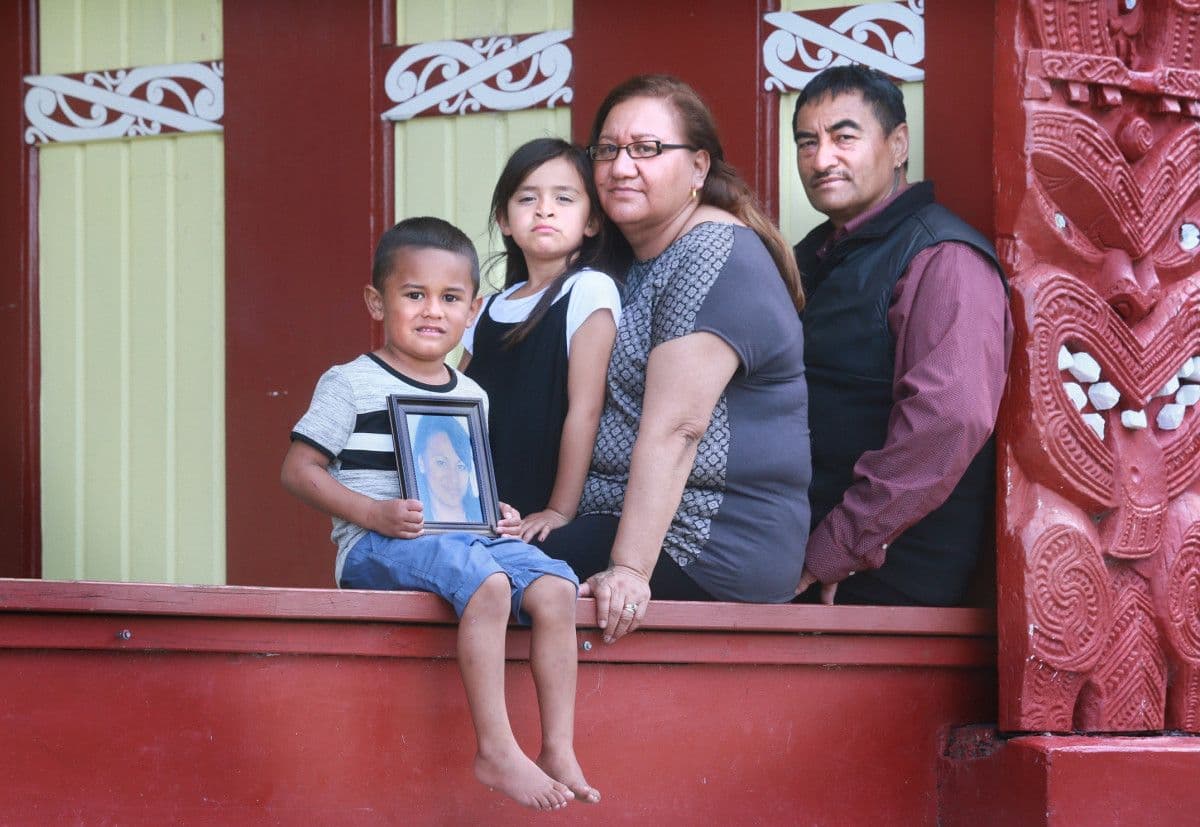
The family can spend time with their loved one following the donation, if they wish. Donation will not interfere with funeral arrangements or tangihanga. You can take your loved one home or to the marae, or have an open casket.
What is donation after circulatory death?
Donation after circulatory death (DCD) makes donation possible for some people who have a non-survivable brain injury but do not meet the criteria for brain death.
In these situations, the medical team and the family decide together to withdraw treatment. That decision is made entirely independently, before donation is ever discussed. If the family agrees to donation, care continues until the person has died, and donation begins shortly after.
How is it decided who receives the organs?
The transplant units match each organ to a person on the transplant waiting list. They consider blood group, tissue type, height and weight compatibility, medical urgency, and time on the waiting list. Organs are only removed from a donor if there are suitable recipients on the waiting list.
What support does the donor's family receive?
An ODNZ donor coordinator supports the family before, during and after the donation, and will often have met the family before the donation takes place. The family receives a letter of thanks with general information about the recipients; for example, 'the heart was transplanted to a man of middle age'.
Recipients and donor families can also exchange anonymous letters of thanks through Organ Donation New Zealand, and families can ask about the recipients' progress at any time. For some families, contact continues for years. Each year, thanksgiving services are held to recognise those who have donated.